
The Medieval Fruitcake: How a Dense Holiday Loaf Became a Symbol of Wealth and Power
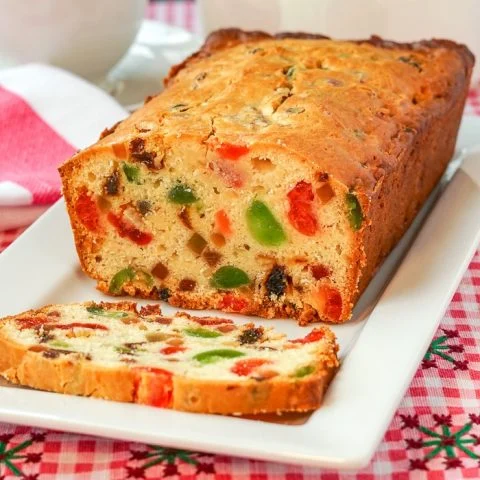 Fruitcake often gets joked about today, but in the Middle Ages it was one of the most prized foods in Europe. This dense, sweet, spice packed loaf was not a common dessert. It was a luxury reserved for the wealthy. A single fruitcake could cost more than a laborer made in weeks because its ingredients traveled thousands of miles along the Silk Road. When people exchanged fruitcake at Christmas they were not giving a humble treat. They were offering a symbol of status, prosperity, and blessing.
The heart of the fruitcake was dried fruit. Figs, dates, raisins, apricots, and citrus peel arrived in Europe through long caravans that crossed deserts and mountains. These ingredients were rare and expensive. Medieval bakers added honey, wine, and spices like cinnamon, nutmeg, and clove which came from India, Arabia, and Southeast Asia. A fruitcake was a global artifact baked into a single loaf. Only merchants, nobles, and wealthy households could afford it. For many families tasting a slice was a once a year privilege tied to the Christmas feast.
Fruitcake became so important that medieval governments passed laws to regulate who could bake or sell it. In England guilds controlled the production of spiced breads. Only approved bakers were allowed to make fruitcakes during the holidays. In parts of Italy and Germany local rulers limited the use of imported spices because they were considered elite goods. Fruitcake was treated the way we treat fine perfumes or rare wines. It was a sign of refinement and a mark of connection to the broader world.
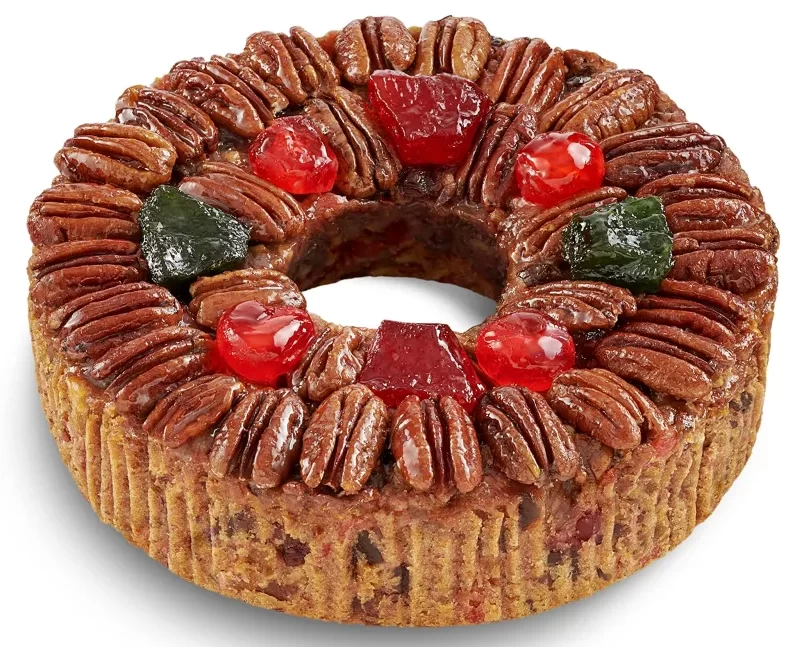 During the twelfth and thirteenth centuries fruitcakes became central to winter celebrations. Wealthy households served them at Christmas banquets alongside roast meats and sweet wines. The cake represented abundance in a season of scarcity. Gifting a fruitcake meant wishing prosperity to the recipient. It also signaled that you belonged to a social circle that had access to luxury goods. The rich displayed their fruitcakes the way they displayed tapestries or silverware. It was part dessert and part status symbol.
By the Renaissance these cakes had grown even more elaborate. Bakers soaked fruits in brandy, added crushed nuts, and baked the loaves slowly to preserve them for months. Fruitcakes became prized travel gifts because they lasted through long journeys. Nobles sent them to friends across Europe as diplomatic offerings. Some families kept their Christmas fruitcake as a good luck charm for the coming year. Others sent them to monasteries as gifts of gratitude.
 When Europeans migrated to the Americas they brought the fruitcake tradition with them. Colonists adapted the recipe with local ingredients. Caribbean fruitcakes were infused with rum. American fruitcakes used molasses and pecans. But the symbolism remained the same. A fruitcake was a holiday blessing, a sign of hospitality, and a memory of the grand medieval feasts that shaped the season.
The origin of fruitcake is not a story of a heavy holiday dessert. It is the story of a medieval luxury item that carried the riches of the world in every slice. A Christmas gift meant to show abundance and share good fortune.
Originally posted on Eats History
