
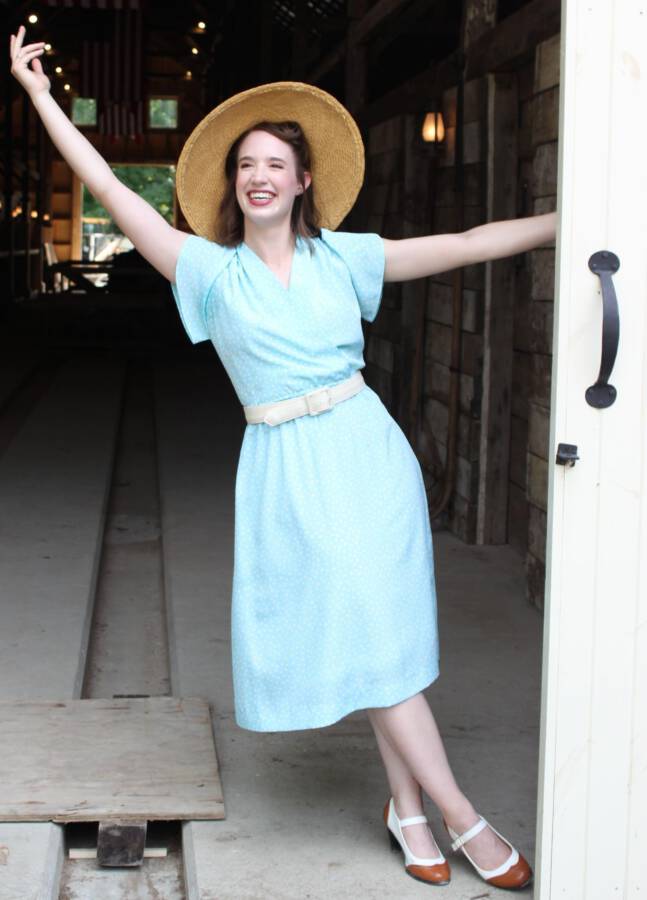
Margo Russ (Alice Murphy) in Epiphany Lutheran Church’s production of “Bright Star,” continuing through July 18. (Photo by Megan Wean Sears)
Numerous hymns speak to perseverance and questioning life’s outcomes. The following lyric is from one of my favorites:
And we wonder why the test
When we try to do our best
But we’ll understand it better by and by
It’s in the understanding – no matter how many years it takes, no matter how confusing or worrisome it weighs on the mind– that we ultimately discover what our trials and tribulations were all about. And, sometimes, we are inspired beyond belief.
In composer/librettist Steve Martin and composer/lyricist Edie Brickell’s heartwarming and heartbreaking Tony Award-nominated 2016 musical Bright Star, currently receiving an outstanding local premiere courtesy of the Epiphany Players Drama Ministry of Epiphany Lutheran Church, an array of folksy North Carolinians come to terms with the choices, regrets and sorrows of the past. A few individuals are also unknowingly intertwined, raising the stakes which result in a payoff so neat and tidy it seems far-fetched. Nonetheless, this story of love, loss, faith, forgiveness, hope, miracles, and redemption is compelling.
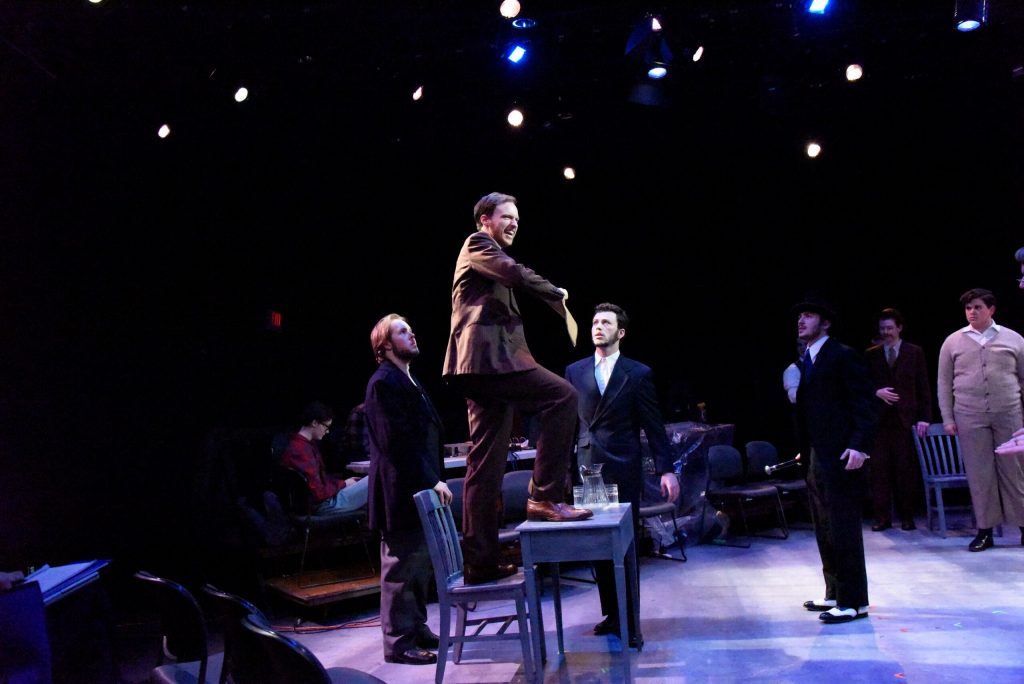
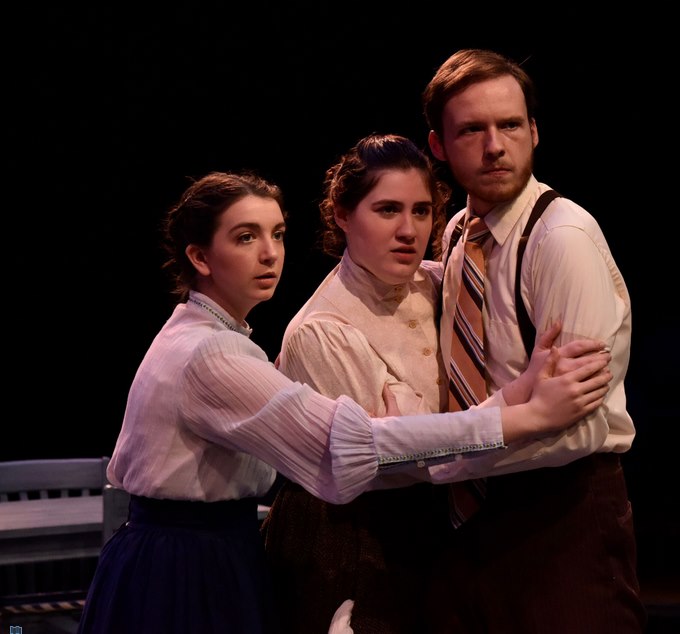
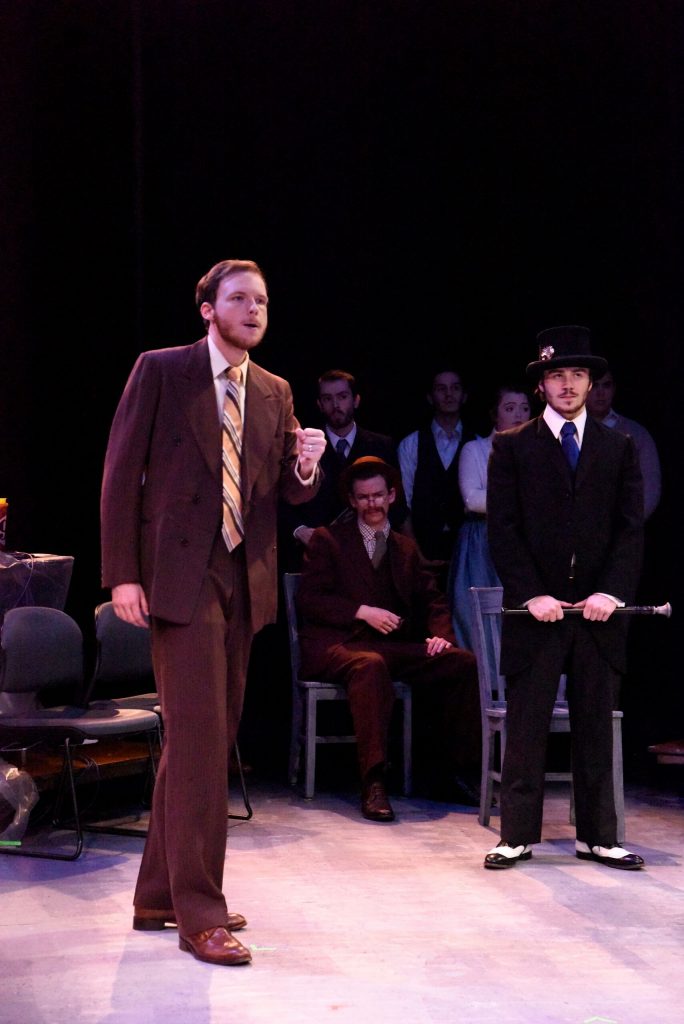
Terrifically directed and choreographed by Megan Wean Sears, Bright Star is set in the mid-1940s with flashbacks to the early 1920s. The focal point is Alice Murphy (Margo Russ, excellently authoritative and narratively inviting), the no-nonsense editor of The Asheville Southern Journal who sees potential in aspiring writer Billy Cane (charming Tommy Cole in great voice). As Alice mentors Billy, who recently served in World War II, the action shifts to her rebellious upbringing in Zebulon as a spunky 16-year-old (fiery, feisty knockout Charlotte Kunesh, fittingly dressed in red, white and blue symbolizing the firework she is) smitten with handsome Young Jimmy Ray Dobbs (Nick Abouzeid in a breakthrough portrayal), son of Mayor Josiah Dobbs (gritty Christian Schaefer). The flashbacks are central to the tale’s impactful resonance. However, unlike the Broadway production in which I doubted the realism of older characters portraying their younger selves, it is a thrill to see Sears approach her staging by mirroring the conceptual allure of Stephen Sondheim’s 1971 gem Follies, a musical in which past and present walk side by side.
Martin, the Hollywood icon who began playing the banjo as a teenager, and Brickell, who leapt onto the music scene in the 1980s with her folk/rock band New Bohemians, create a tuneful, toe-tapping and often lovely score perfectly suited to the Appalachian landscape. Highlights include engaging opener If You Knew My Story, lively hoedown Woah, Mama, cheery Sun’s Gonna Shine, uplifting At Long Last (given a stirring, full-throttle treatment by Russ), and bouncy title number (brilliantly staged with road trip whimsy as Billy travels from Hayes Creek to Asheville).
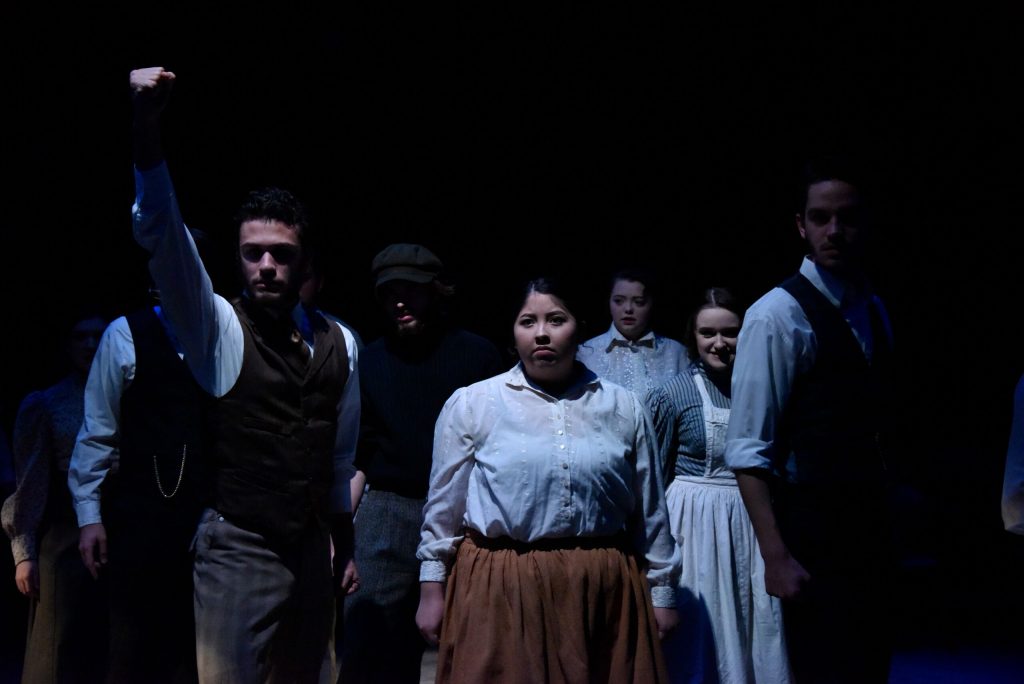
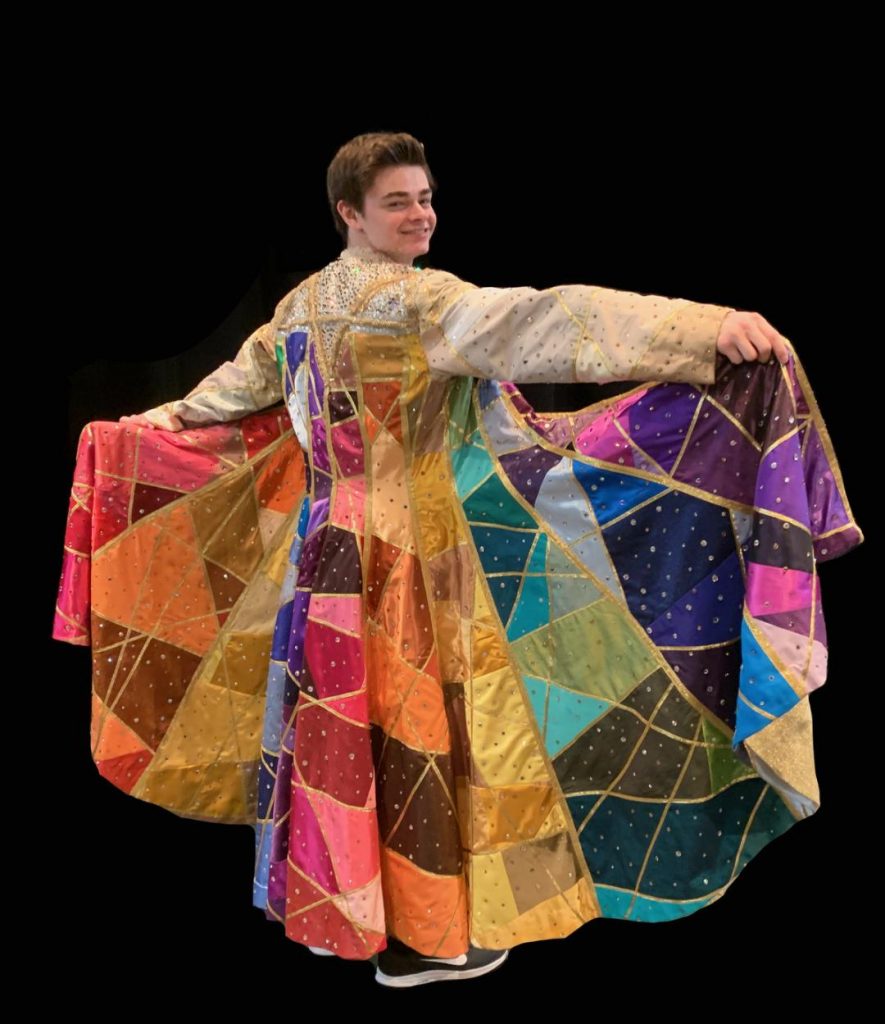
In another agreeable departure from the Broadway production, Sears places the entire cast on stage throughout to attentively observe the action. In fact, I don’t believe anyone is positioned in the same spot twice, a subtle feat. Her decision not only guarantees seamless fluidity, especially for scene changes, but effectively fuels the story’s intimate emphasis on family and community. Due to the significance of the flashbacks, it is imperative to spotlight Kunesh and Abouzeid’s impressively expressive work in their Epiphany debuts. Without delving into plot specifics, Kunesh’s passionate and riveting contributions to Please Don’t Take Him, a total departure from Young Alice’s free-spirited sass, exemplifies her mastery of character and purpose (which she also exhibited in Muse Machine’s Mamma Mia! and In the Heights). Abouzeid, humorously reflecting on Those Canaan Days four months ago as Dan in Alter High School’s Joseph and the Amazing Technicolor Dreamcoat, has suddenly transitioned into a genuine leading man. The dynamic heartache he displays in Heartbreaker, interpreting lyrics about parenthood to gripping effect, is an incredible sign of his maturity as a young actor.
Elsewhere, praiseworthy performances extend to the delightful Riley Francis as Billy’s childhood friend Margo (providing a sweetly yearnful rendition of inner monologue Asheville), John Benjamin as Daddy Cane, Brett Greenwood as Daddy Murphy, Jessica Pettit as Mama Murphy, Kath Meyer and Desmond Kingston as Journal employees Lucy Grant and Daryl Ames (Meyer’s feminine flair electrifies boozy ensemble number Another Round), Nicholas Bradley as Jimmy Ray Dobbs (joining Russ for a tenderly poignant I Had a Vision), Sara LiBrandi as Florence, Katie Kress as Edna, Bobby Morgan as Mayor Dobbs’ slick sidekick Stanford Adams, Caleb Campbell as Max, Brady Kress as Dr. Norquist, Larry Klueber as Stationmaster, Sandy Schwartzwalder as Government Clerk, Martha Armstrong-Benjamin as Well-Dressed Woman, and John Morgan as Young Daddy Cane.
The appealing cast includes Quinn Bennett, Andrew Gochenaur, Reese Hornick, Laura Morgan, Eric Pettit, Megan Rehberg, Liza Russ, and Meredith Russ.
Sears’ expert artistic team includes set designer Seth Wade, costumer Kim Harvey, lighting designers Matthew Benjamin and Gabe Reichert (supplying beautifully evocative hues), sound designer Ryan Burgdorf, and properties designers Jason Hamen and Adrienne Ausdenmoore.
Music director David Brush leads a fantastic bluegrass band consisting of fiddler Bebe Blumenthal, guitarist Jay Brunner, cellist Bryce Kessler, bassist Joshua Neiman, drummer Joshua Riedy, pianist Damien Stout, violinist/violist Alice Wagoner, and banjoist David Wells. Perhaps Epiphany should consider Oklahoma! next summer if only to reunite these dandy, down-home musicians.
This year marks the 30th anniversary of the Epiphany Players Drama Ministry, an outreach artistically spearheaded for many years by the late Kay Frances Wean. Bright Star is another luminous, vocally strong, must-see testament to the caliber of artistry I have come to expect from the troupe. Always have, always will.
Bright Star continues through Sunday, July 18 at Epiphany Lutheran Church, 6430 Far Hills Avenue, Centerville. Performances are 7:30 p.m. Friday; 2:30 p.m. and 7:30 p.m. Saturday; and 2:30 p.m. Sunday. The production runs 2 hours and 30 minutes including one 15-minute intermission. Reserved seating is $15. For tickets, visit epiphanydayton.org/summer-musical. For additional information, visit call (937) 433-1449 ext. 103 or email [email protected].

 Under the gentle, fluid, flashback-inspired direction of Mackensie King, who previously helmed this show for Dare to Defy in 2015, Abby and Brent, layering their work with authentic love, wonderfully embody Cathy and Jamie’s enjoyable idiosyncrasies and destructive despair. Whether conveying the difficulties Cathy endures while longing for a professional breakthrough or the conflicted betrayal weighing heavily on Jamie’s mind having slept with another woman, this dynamic duo leaves nothing undone. And musically, they soar. At the outset, Abby marvelously sets the tone with Still Hurting and winningly lightens the mood with A Part of That, A Summer in Ohio, When You Come Home to Me, and Goodbye Until Tomorrow. Brent’s delightful charm fuels Shiksa Goddess, Moving Too Fast, playful Schmuel Song, and colorfully conversational A Miracle Would Happen, but he’s equally adept stretching his acting muscles delivering the angrier, wounded If I Didn’t Believe In You and Nobody Needs To Know. Still, there is one number in this production deserving of utmost attention. Sometimes musical theatre only requires a terrific actress to sit in a chair and belt her heart out. As so, Abby’s phenomenal rendition of I Can Do Better Than That, reverberating through The Brightside’s rafters and probably out onto East Third Street, is a stunningly impactful moment worthy of an encore.


 Due to COVID-19, this year’s DayTony gala and Dayton Theatre Hall of Fame ceremony has been canceled. However, Unser will be honored at next year’s gala. The DayTony Awards for excellence and merit will be announced Saturday, July 25. Organizers say recipients will be able to pick up their awards at the theatres where the performances took place. “We will miss the opportunity to celebrate together this year,” said DayTony President and Dayton Theatre Hall of Fame member Debra Strauss. “But I look forward to how wonderful it will be to honor our friends and colleagues next year.”
 Founded in 2005 in Santa Barbara, California,
  “Even if you have testing available, it doesn’t mean you’re testing people,” he said. “We’re really focused on leveraging our technology platform to get testing capacity to the people that need them. You have to have workflows to get tests to hospitals, screening tents and critical infrastructure workers at their place of work such as a factory or retail distribution center. Creating workflows to get testing to people is the major challenge. And even in COVID-19 testing, we’re already starting to see disparities and outcomes between different racial, ethnic and socioeconomic groups who are being more impacted.”
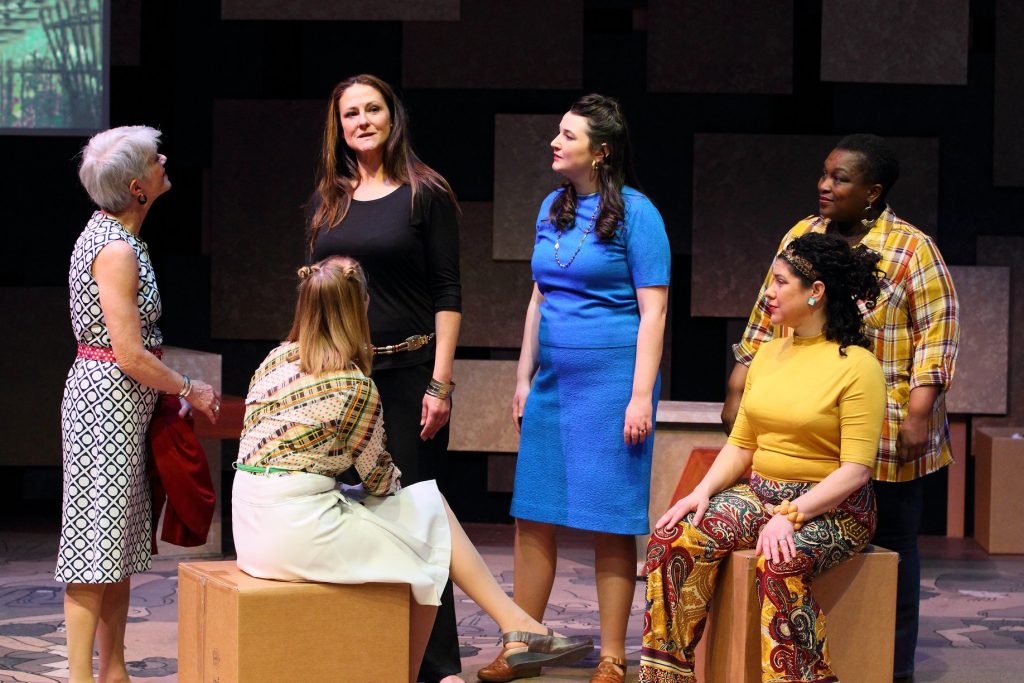
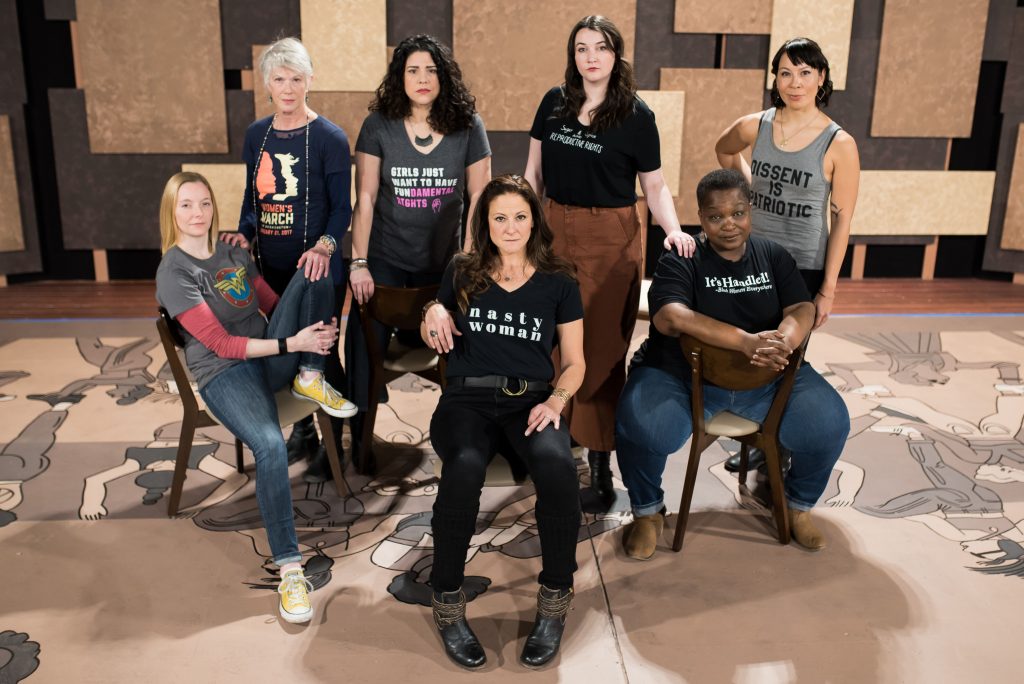




 Still Alice continues through Dec. 1 at the Dayton Playhouse, 1301 E. Siebenthaler Ave., Dayton. Performances are 8 p.m. Friday and Saturday and 2 p.m. Sunday. The play is performed in 100 minutes without intermission. Tickets are $15 for adults and $12 seniors and students (open seating). Call (937) 654-0400 to make a reservation. For more information, visit

