Downtown Dayton was supposed to be buzzing with promise and progress on the afternoon of March 20th, but instead, the Small Business Social at The Contemporary Dayton revealed deep divisions between city planners and the very community they hoped to serve.
A Promising Venue, A Troubled Agenda
In a venue usually celebrated for its art and culture, the event—organized by the Downtown Dayton Partnership—was intended to showcase how the upcoming NATO Assembly might bring opportunities for downtown businesses. But as the night unfolded, small business owners voiced their mounting frustration. The galleries, typically filled with creative energy, became an impromptu forum for grievances about decisions that could jeopardize local livelihoods.
Mixed Messages from the Top
The afternoon opened on an upbeat note. Gallery host and curator Heather Jones welcomed the crowd, highlighting current exhibitions and a raffle that momentarily lifted spirits. Yet that optimism quickly faded as Syron Townsend, Community Partnership Manager for the Downtown Dayton Partnership, thanked small business owners for their ongoing support before turning the stage over to Jason Galanes.
Galanes, Chief of Staff for Republican Congressman Mike Turner and one of the lead planners of the NATO Assembly, delivered a message that many found dissonant. “The opportunity for downtown businesses to welcome delegates and constituents to patronize shops and restaurants,” he declared. But he soon undercut his own message with a remark that struck a sour chord: “The event begins on Memorial Day weekend, many people already out on vacation…” The suggestion that local businesses might simply “take advantage” of a national holiday to close shop was met with audible grumbles—a reaction that underscored the economic pressures these businesses are already facing.
Adding insult to injury, Galanes extolled the virtues of lasting public art and beautification efforts—projects funded by state and local tax dollars. Yet he offered little reassurance that these improvements would compensate for the financial strain that a week-long shutdown could impose on struggling downtown shops and restaurants.
Security and the Specter of Exclusion
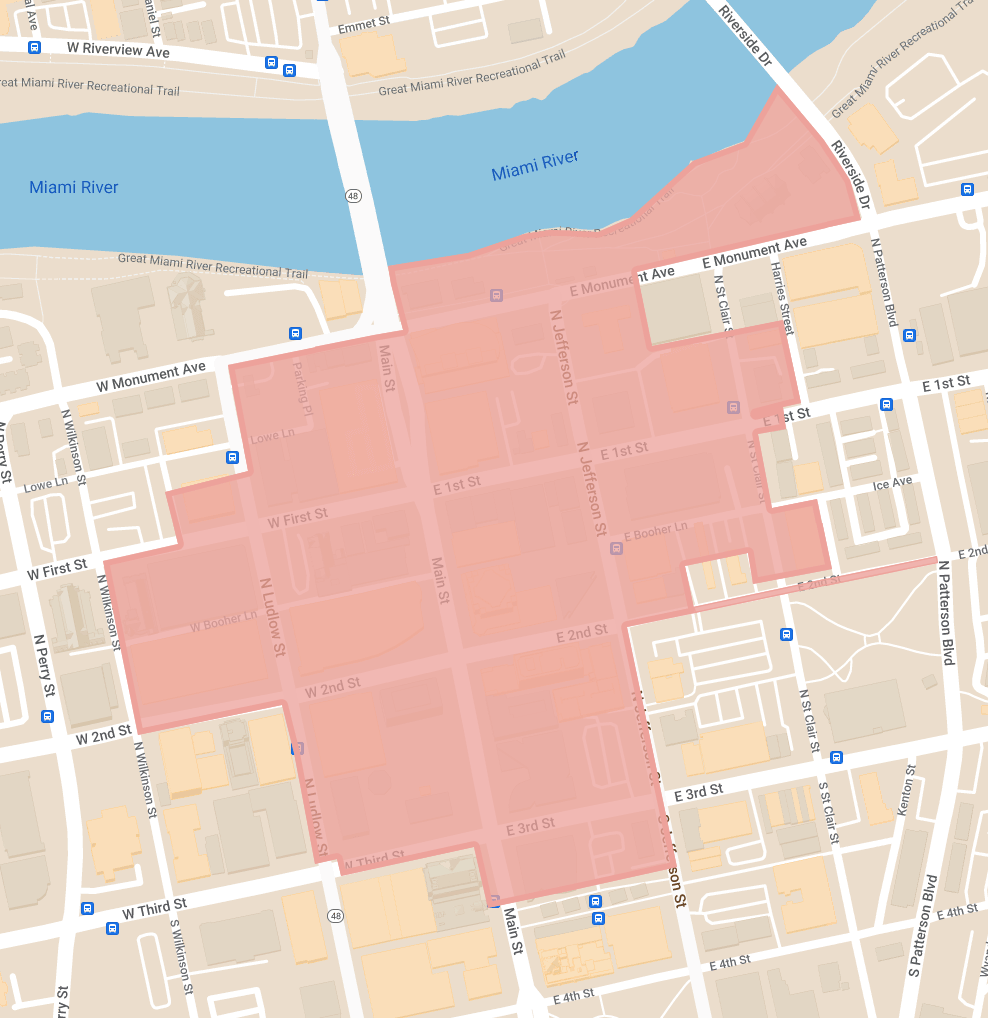
The tone grew even more contentious when Major Christopher Malson of the Dayton Police Department took the floor. Tasked with explaining the design and purpose of the NATO Village Secure Zone, Malson’s presentation was a mix of policy details and offhand humor that did little to assuage the concerns of those present. “When the City Manager met with me over a year ago, she gave me the edict of ‘We will not be shutting down businesses…’” he recalled—yet the absence of City Manager Shelley Dickstein was conspicuous by itself.
Malson outlined a security plan that included designated entrances, foot-traffic only policies, and even a “Designated Protest Area” for what he insisted would be “peaceful” and “lawful” demonstrations. However, his warning that any protests outside that area might be branded as “riots” did not sit well with business owners who already feel marginalized in the planning process.
Parking Woes and a Clamor for Accountability
Questions about the logistical impact of the NATO event, particularly regarding parking, further fueled the discontent. One business owner’s query about whether the city would subsidize monthly parking costs for employees—an essential lifeline for local commerce—was summarily dismissed by Major Malson with a curt, “The city will not be providing any financial assistance to private businesses.” The response was met with growing frustration, as many pointed out that the downtown community was being expected to shoulder the burdens of an event from which they would reap little benefit.
A moment of further disruption came when an unannounced voice from the back of the room, later identified as Kristina Scott, Vice President of Strategy for The Downtown Dayton Partnership, abruptly attempted to cut off the ongoing questions. “I think this is enough, I believe we have what we need to bring this back to the broader group,” she interjected, prompting a bewildered business owner to ask, “Who are you?”—a question that underscored the disconnect between event organizers and the community they were meant to support.
Aftermath: More Questions Than Answers
By the end of the evening, many small business owners left The Contemporary Dayton not with a sense of possibility, but with more questions and a deep-seated mistrust of the process. The event, meant to highlight opportunities for downtown Dayton, instead exposed a glaring imbalance: local tax dollars were being spent to host an event that many feared would inflict financial harm on the very businesses that form the backbone of the city.
In an economic climate where every dollar counts, the promise of future benefits from beautification projects and enhanced public spaces feels hollow to a community that sees itself as an afterthought. As downtown Dayton prepares for the NATO Assembly, one thing is clear—without genuine support and transparent dialogue, the promise of a thriving, inclusive business community may remain just that: a promise unfulfilled.
If you are a small business owner who needs your voice heard regarding NATO, reach out to DowntownDayton.com and we will include your story in our next NATO Assembly update.














 I’ve always assumed that undocumented immigrants were wage earners. I was wrong. Hundreds of thousands of them have built businesses here. Those businesses tend to be small because it takes capital to grow a business, and raising capital can draw unwanted attention. That’s what happened to Elon, according to an October, 2024 article in the Washington Post. The Post interviewed Elon’s business associates, reviewed court records and got copies of company contracts to tell the following:


 This program, sponsored by the Montgomery County Prosecutor’s Office, aims to provide safe rides home for Montgomery County residents, particularly during events like St. Patrick’s Day.

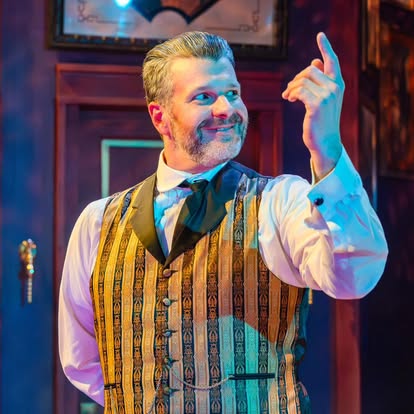
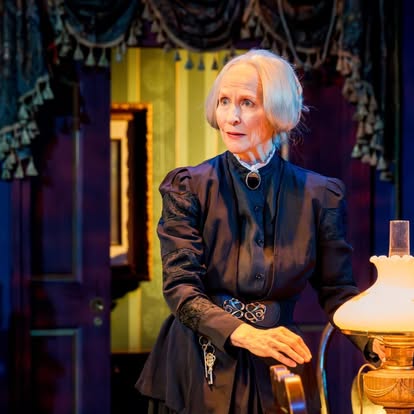
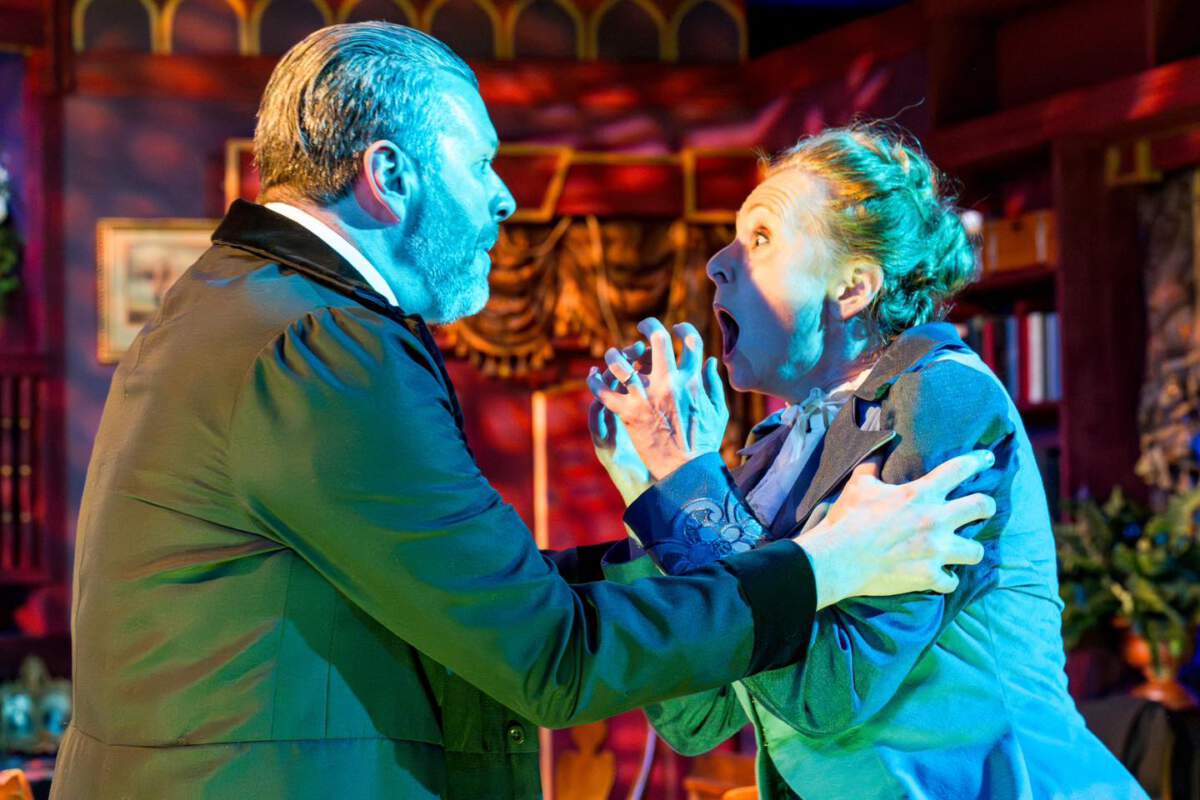 937: It sounds stunning. All the success to you and the gang at Beavercreek Community Theatre! BRAVO! OH! How do we go?

 Conversation with Chef Dane Shipp at the Nood Bar, one of the four restaurants at the Silos (801 East First). I asked Chef Dane how he got into the food business.

 The inspiration for this series was President Trump’s lies about the Haitian immigrants in Springfield. His statement that they are criminals who eat people’s cats and dogs caused even Ohio’s Republican officials to complain. When a powerful person lies it makes me wonder what he’s hiding. It makes me want to know more about all of the immigrants he’s threatened and lied about. That eventually led me to this series.